
Ocean connection
The art of marine exploration
The open sea is a sanctuary where wildlife thrives. Expert-led sea excursions reveal this complex ecosystem, inviting observers to witness the grace of marine mammals and the horizon’s vastness.
Wild encounters
Observing cetaceans in the wild

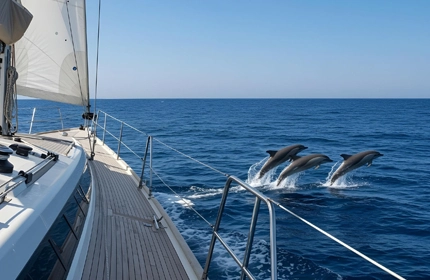
Encountering dolphins in their natural habitat requires patience and understanding of their behaviors. A guided dolphin watching tour with a respectful approach ensures animal safety, providing an authentic and memorable experience for observers.
Understanding Pod Social Dynamics
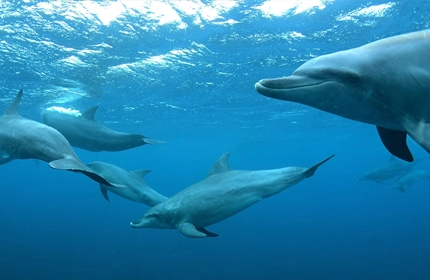
Dolphins live in complex social groups where cooperation drives hunting and raising young. These bonds create synchronized movements visible from the surface. Binoculars are recommended for clear viewing during calm weather.
Recognizing Dolphin Surface Behaviors
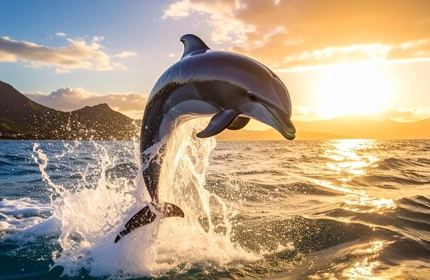
Breaching and tail-slapping communicate excitement or warnings. Understanding these signals helps observers predict the pod’s movement, a key principle of responsible whale and dolphin watching, ensuring no interference with their path.
Responsible Observation Distance
Maintaining a safe, respectful distance prevents animal stress and allows natural interaction. Licensed skippers adjust the vessel’s speed to match the dolphins, ensuring a smooth, predictable ride by avoiding sudden directional changes.
Active discovery
Engaging with the ocean
Guided Coastal Snorkeling
Floating above the reef reveals a kaleidoscope of colors. All necessary snorkeling gear is provided for this intimate glimpse into the underwater world, where fish dart through coral formations.
Stand-up Paddleboarding Rentals
Gliding silently over calm waters offers a unique vantage point to observe marine life. This activity is suitable for all skill levels, engaging core muscles for stability and balance.
Sea Kayak Tours & Exploration
Paddling through narrow coves on a guided tour accesses secluded beaches and hidden rock formations. It connects the adventurer directly with the coastal elements, away from larger boat traffic.
Bookable Sea Horizons
Voyaging beyond the shoreline
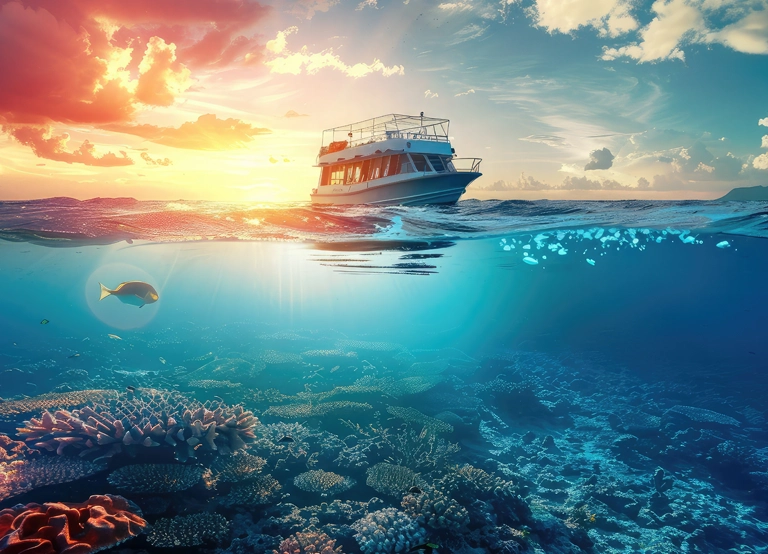
Choose from half-day coastal discovery trips or full-day offshore charters. Each vessel is equipped with certified safety equipment, marking the start of a secure and memorable deep-sea journey into the endless blue.
Sunset cruises offer a peaceful transition, as light shifts across the water. On deck, the only sounds are wind and waves. Remember to bring a light jacket, as temperatures can drop after sundown.
Underwater life
Biodiversity of the Local Reefs
Sea Turtle habitat
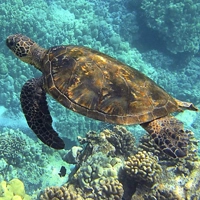
These ancient mariners, often loggerhead turtles, glide through seagrass beds, surfacing to breathe. Their presence indicates a healthy marine ecosystem, as they maintain the vitality of the seabed environments they feed in.
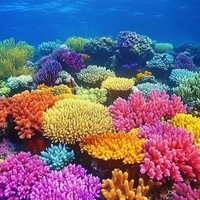
Protecting Colorful Coral Gardens
Hard and soft corals build the reef’s foundation, providing shelter for thousands of marine species. These delicate structures require active protection efforts to survive changing ocean temperatures and sustain the vibrant life they support.
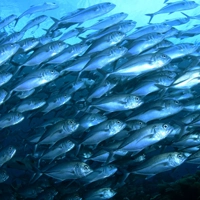
Pelagic fish schools
Large groups of tuna or mackerel move in perfect unison, a defense mechanism against predators. This synchronized swimming consumes less energy and increases survival rates in the open ocean where hiding spots are nonexistent.
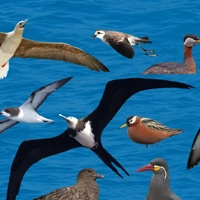
Coastal seabirds
Frigatebirds and terns circle high above, scouting for schools of baitfish. Their diving patterns can signal larger marine predators below, a natural indicator used by our guides to find active areas for observation.
Safety & Eco-Responsible Practices
Protecting the marine environment demands adherence to strict eco-protocols. This includes managing on-board waste and respecting no-wake zones. Every passenger and crew member plays a role in preserving the ocean for future generations.